
How ERP Software Drives Scalable Growth for Modern Businesses
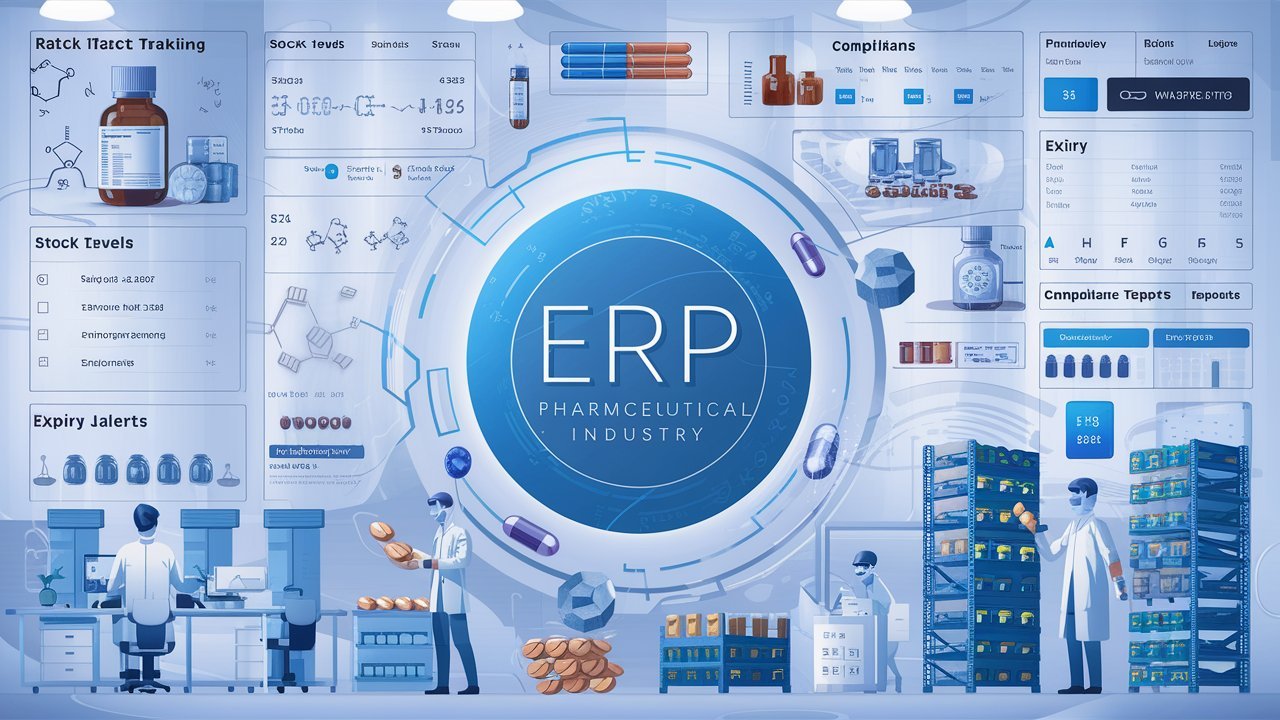
In the digital-first economy, business expansion is no longer just about increasing revenue — it is about managing growth without operational breakdowns. This is why ERP for growing businesses has become a strategic necessity rather than a luxury. As companies scale, they encounter fragmented systems, manual processes, reporting delays, and coordination gaps between departments. ERP (Enterprise Resource Planning) software solves this by integrating finance, inventory, HR, sales, and operations into a unified ecosystem. With centralized data and automated workflows, growing companies gain control, visibility, and efficiency — the three pillars required for sustainable scaling.
What is ERP and Why Growing Businesses Need It
Enterprise Resource Planning is an integrated software framework designed to streamline and automate core business processes. For expanding companies, disconnected tools create inefficiencies that slow momentum. ERP software for small businesses connects every operational function into one real-time system.
Centralized Data Management
ERP eliminates data silos by creating a single source of truth. Leadership teams can access real-time dashboards covering sales, expenses, inventory, and workforce performance — enabling faster, data-driven decisions.
Process Automation
Manual approvals, invoice creation, payroll processing, and reporting consume valuable time. ERP automation reduces human dependency, minimizes errors, and accelerates operational cycles.
Financial Control and Compliance Through ERP
Finance is the backbone of any scaling organization. As transaction volumes grow, financial complexity multiplies. One of the strongest ERP implementation benefits is automated financial governance.
Real-Time Financial Reporting
ERP generates instant balance sheets, profit & loss statements, and cash flow insights — helping leaders monitor fiscal health continuously.
Taxation and Compliance Automation
From GST to international tax structures, ERP ensures compliance accuracy, reducing legal risk and audit stress.
Inventory and Supply Chain Optimization
Inventory mismanagement is one of the most common growth barriers. Overstocking blocks capital, while shortages damage customer trust. Scalable ERP systems provide intelligent inventory control.
Automated Stock Tracking
Real-time inventory updates across warehouses prevent mismatches and enable accurate order fulfillment.
Demand Forecasting
ERP analytics evaluate historical sales trends to predict future demand — ensuring optimal procurement planning.
Enhancing Customer Experience with ERP Integration
Customer satisfaction determines long-term growth sustainability. ERP systems often integrate CRM functionalities, creating a 360-degree customer view.
Unified Customer Database
Sales, support, and accounts teams access the same customer records — improving communication and service consistency.
Faster Sales Cycle Management
Automated quotations, order processing, and invoicing shorten deal closure timelines.
Workforce and HR Scalability
As businesses grow, managing human resources becomes increasingly complex. ERP for startups and scaling companies simplifies workforce administration.
Payroll and Attendance Automation
ERP tracks attendance, leave, overtime, and salary processing with precision.
Performance Analytics
Managers gain productivity insights that support strategic hiring and training decisions.
Cloud ERP – The Future of Scalable Infrastructure
Traditional on-premise systems lack flexibility. Modern cloud ERP solutions provide anytime, anywhere accessibility with minimal infrastructure cost.
Multi-Location Management
Businesses can manage branches, franchises, or international units from one centralized platform.
Scalable Technology Framework
Cloud ERP grows alongside the business — allowing module additions without system replacement.
ERP as a Digital Transformation Engine
Digital transformation is essential for competitive survival. ERP digital transformation strategies empower businesses with automation, AI analytics, and workflow intelligence.
ERP enables mobile approvals, remote monitoring, automated compliance reporting, and predictive business insights. This positions companies to innovate faster while maintaining operational discipline.
Long-Term Strategic Benefits of ERP Implementation
Implementing ERP is not just a technology upgrade — it is a growth blueprint. Businesses gain operational transparency, cost optimization, faster reporting cycles, stronger compliance, and scalable infrastructure — all of which create a resilient foundation for expansion.
FAQs
How do I choose the best ERP for my business?
Evaluate scalability, industry fit, cloud capability, integration options, and vendor support before selection.
Is ERP expensive to implement?
Costs vary, but cloud ERP reduces infrastructure investment and offers subscription flexibility.
Can ERP integrate with existing software?
Yes. Modern ERP systems integrate with CRM, banking, eCommerce, and analytics tools.
